
What Size Storage Unit Do I Need? A Size Guide With Real Examples
The tips work anywhere, and the details below apply to Brightside Storage in Texarkana.

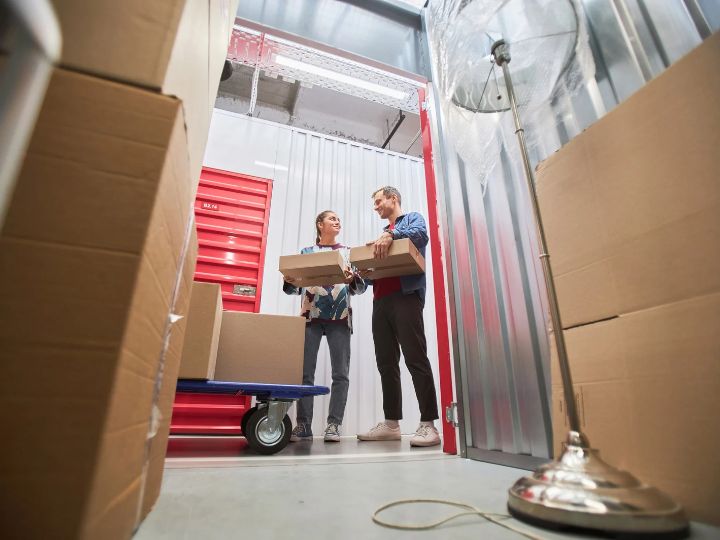
What size storage unit do I need? A 5x5 holds boxes and seasonal decorations, a 10x10 holds the contents of a one-bedroom apartment, and a 10x20 holds a three-bedroom home, including major appliances. If you land between two sizes, the larger one is usually the safer pick.
Paying for space you do not use feels wasteful. Running out of space means a second trip or a second unit. This storage unit size guide helps you avoid both with a quick table, a simple way to measure your stuff, and three examples to compare with your own.
The tips work anywhere, and the details below apply to Brightside Storage in Texarkana.
Quick Answer: What Size Storage Unit Do I Need?
Start with this table. It shows what each size typically holds. Your exact fit depends on how you pack, so treat it as a starting point.
Not every size is offered at every location, and not every size comes in both climate-controlled and drive-up.
A 10x20 and a 20x10 have the same floor space but a different shape. A 10x20 is long and narrow, like a garage. A 20x10 is wide and shallow, so more of your stuff is within reach of the door.
Need to store a car, truck, or motorcycle? We offer enclosed drive-up units for vehicles. See storage types for details.
How to Estimate Your Space: Big Items First, Then Boxes, Then an Aisle
Finding the right size storage unit takes about 15 minutes with a pen and paper. Work in this order, because big items use the most floor space.
Step 1: List your big items
Write down every large piece: beds, couches, dressers, tables, appliances, and bikes. Note which ones can come apart, like bed frames and table legs, and which can stand on end, like mattresses. Taking things apart and standing them up saves floor space.
Step 2: Count your boxes
Count or estimate your boxes. Boxes stack, so think in stacks, not single boxes. Matching box sizes make tall, steady stacks. Put the heaviest boxes on the bottom and keep the things you will need most near the door.
Step 3: Add room for an aisle
Leave a walkway so you can reach items at the back. Even a narrow path keeps you from unloading half the unit to find one box. If you plan to visit often, make the path wider.
Now compare your list to the table. If your total sits near the top of a size, go up one size.
Still unsure? Text or email us a list of what you are storing, and we will recommend a size. Text 870-399-3554 or email happy@mybrightsidestorage.com.
Three Real Examples: A Spare Bedroom, a One-Bedroom Apartment, and Business Stock
These are common situations, not exact measurements. Use them to see how the sizing steps work.
Example 1: A spare bedroom
You are clearing a spare room. You have a queen mattress and box spring, a bed frame taken apart, a dresser, a nightstand, and 8 to 10 boxes. A 5x10 may fit that list with a short walkway, since it handles a dorm room or studio's worth of boxes and small furniture.
If you add a desk, a bookcase, and more boxes, step up to a 10x10.
Example 2: A one-bedroom apartment
You are between leases. You have a couch, a chair, a queen bed set, a dresser, a TV and stand, a small table with chairs, and 20 to 25 boxes of kitchen items and clothes. A 10x10 is the common choice, since it fits a one-bedroom apartment.
Add a bike, a washer, or several large bookcases, and a 10x15 gives you breathing room.
Example 3: A small business's stock
You run a small business. You have boxed inventory on three or four metal shelving units, a few plastic totes, a folding table for packing, and a hand truck. A 10x10 works for modest stock, and a 10x15 works if you need more shelves.
Shelves let you use the height, but they need an aisle. If you load and unload often, a drive-up unit saves you carts and long hallways.
Common Mistakes When Choosing a Storage Unit Size:
Ignoring height
Many people measure floor space only. Height is space you can use by stacking boxes and adding shelves. Drive-up units have 9-foot ceilings, and most drive-up doors are about 7 feet tall. Climate-controlled heights vary by facility, so check the unit details when you rent.
Put heavy boxes on the bottom, lighter ones on top, and check that tall items fit through the door.
Skipping the walkway
If you fill the unit wall to wall, every visit means unloading. Keep a path open, and place the things you need most near the door.
Sizing for today only
Your stuff may grow. You might inherit furniture, buy for a new home, or add business stock. If you expect to add items in the next few months, pick the size for what you will have then.
Skipping climate control
If you are storing wood furniture, electronics, important papers, photos, or anything that could warp or mildew, consider a climate-controlled unit. For tools, outdoor gear, and lawn equipment, a drive-up unit usually works fine.
When to Size Up, and How Easy It Is to Switch Units
Think about going up a size if any of these sound like you:
- Your list lands near the top of a size.
- You will need to reach items often.
- You expect to add items soon.
- You have tall or awkward pieces.
All leases are month-to-month, so you are never locked into a size for a long term. If you pick a size and it turns out wrong, ask us about switching.
When you are ready, look over our storage unit sizes and match one to your list. See available sizes.
Frequently Asked Questions
How do I know if I need a 10x10 or a 10x15?
List your big items and add your boxes. If everything fits a 10x10 with a walkway, stay there. If you are close to full before adding an aisle, choose the 10x15.
Is it better to get a bigger unit than I need?
A little extra room is fine, because a tight unit is hard to use. But a much bigger unit costs more every month. Aim for the smallest size that holds your list and a walkway.
How many boxes fit in a 10x10 storage unit?
There is no exact number, because it depends on box size and stack height. Count your furniture first, then fit boxes on top and around it.
Can I store a mattress or couch in a 5x10?
A 5x10 can usually hold a mattress set and a few smaller pieces, since it fits a dorm room or studio's worth of boxes and small furniture. A full couch takes more room, so stand it on end or move up to a 10x10.
Can I switch units if I choose the wrong size?
Text or email us before you move in if you are unsure, and we will help you pick a size.
Can I store a vehicle?
Yes. We offer enclosed drive-up units for cars, trucks, and motorcycles, and a 12x30 covered parking space with power for RVs, campers, boats, and trailers.


